
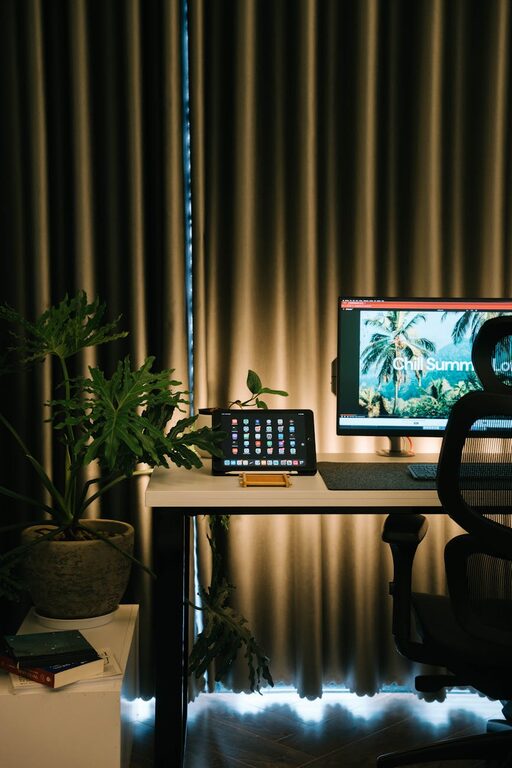
Working from home offers flexibility and convenience, but without the right environment, it can sometimes become stressful or distracting. Creating a relaxing home office space is key to maintaining focus, reducing tension, and improving your overall work experience. Whether you have a dedicated room or just a small corner, these tips will help you design a comfortable and calming workspace.
1. Choose the Right Location
Selecting the best spot for your home office can make a big difference. Here are some factors to consider:
– Natural Light: Position your desk near a window if possible. Natural light helps improve mood and energy levels.
– Quiet Area: Opt for a space with minimal noise and foot traffic to avoid interruptions.
– Ventilation: A room with fresh air circulation can enhance comfort and alertness.
2. Invest in Comfortable Furniture
Your chair and desk setup can impact both comfort and productivity.
– Ergonomic Chair: A chair with good lumbar support reduces strain on your back during long work hours.
– Adjustable Desk: Consider a desk with adjustable height to switch between sitting and standing.
– Proper Desk Size: Make sure your desk has enough space for your computer, accessories, and materials to keep things organized.
3. Use Calming Colors and Decor
Colors influence mood and concentration. To promote relaxation:
– Choose Soothing Colors: Soft blues, greens, or neutrals create a peaceful atmosphere.
– Add Personal Touches: Include photos, plants, or artwork that make you feel comfortable.
– Keep Decor Minimal: Avoid clutter by selecting a few meaningful items rather than overcrowding the space.
4. Minimize Clutter and Stay Organized
A tidy workspace prevents distractions and helps maintain focus.
– Use Storage Solutions: Shelves, drawers, and organizers keep supplies neatly arranged.
– Limit Desk Items: Keep only essential items on your desk.
– Daily Clean-up: Spend a few minutes at the end of each day to tidy your area.
5. Incorporate Plants and Natural Elements
Bringing nature indoors can improve air quality and reduce stress.
– Add Houseplants: Choose low-maintenance plants like succulents, snake plants, or pothos.
– Natural Materials: Use wooden furniture or accessories to add warmth.
– Nature Sounds: Consider a small water fountain or a nature sounds playlist for calming background noise.
6. Adjust Lighting for Comfort
Good lighting prevents eye strain and creates a welcoming environment.
– Layered Lighting: Combine natural light with ambient and task lighting.
– Avoid Harsh Glare: Position lights to minimize reflections on your computer screen.
– Use Warm Bulbs: Soft, warm light is less tiring for the eyes than cool, bright light.
7. Manage Noise Levels
Controlling noise helps maintain concentration.
– Noise-Canceling Headphones: Useful for blocking distractions.
– Soft Background Music: Instrumental or ambient sounds can boost focus.
– Soundproofing: Consider rugs or curtains to absorb sound if noise is an issue.
8. Establish a Routine and Take Breaks
A relaxing environment supports healthy work habits.
– Set Work Hours: Define clear times for starting and stopping work.
– Stretch and Move: Incorporate short breaks to prevent stiffness.
– Relaxation Zones: If space allows, create a small area for brief moments of rest or mindfulness.
Final Thoughts
Creating a relaxing home office environment is about tailoring the space to your comfort and productivity needs. From choosing the right location and furniture to adding calming elements and maintaining cleanliness, small changes can make a significant difference. An inviting, organized workspace helps reduce stress and keeps you motivated throughout the day, making working from home a more enjoyable experience.