
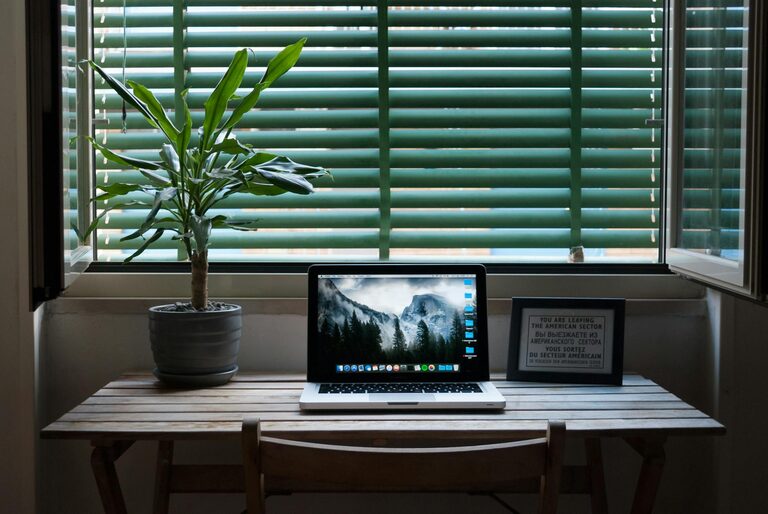
Creating a cozy and productive home office space is essential for anyone working from home or managing personal projects. A well-designed workspace can improve focus, reduce stress, and even boost creativity. Whether you have a dedicated room or just a corner in your living space, the following tips will help you craft an environment that balances comfort with efficiency.
1. Choose the Right Location
Consider Natural Light
Select a spot in your home that receives plenty of natural light. Exposure to daylight not only enhances mood but also reduces eye strain when working long hours. If possible, set up near a window with a pleasant view to help you feel connected to the outside.
Minimize Distractions
Find a quiet area where you can concentrate without frequent interruptions. If you share your home with others, communicate your work hours to reduce disturbances.
2. Invest in Comfortable Furniture
Ergonomic Chair
Your chair is one of the most important pieces of furniture in your home office. Choose an ergonomic chair that supports your back and encourages good posture. This helps prevent discomfort and long-term health issues.
Functional Desk
A desk with enough surface area to accommodate your computer, paperwork, and any tools you need keeps you organized and efficient. Adjustable desks are a great option if you want to switch between sitting and standing.
3. Optimize Lighting
Layered Lighting
Good lighting can make a huge difference. Combine natural light with task lighting, such as a desk lamp, to reduce shadows and glare. Warm bulbs tend to create a cozy atmosphere, while bright white light supports alertness.
Avoid Screen Glare
Position your monitor to avoid reflections from windows or overhead lights. You may also consider an anti-glare screen or adjust your screen brightness.
4. Organize Your Space Intelligently
Declutter Regularly
Keep your desk tidy by removing items you don’t use daily. A clutter-free surface helps maintain focus and reduces stress.
Storage Solutions
Use shelves, filing cabinets, or storage boxes to keep documents and supplies orderly. Labeling storage bins can save time when searching for items.
5. Personalize Your Workspace
Add Plants
Indoor plants improve air quality and add a touch of nature to your workspace. Even low-maintenance options like succulents or spider plants can boost your mood.
Decorate Mindfully
Incorporate artwork, photos, or inspiring quotes that motivate you. However, avoid overcrowding the space, which can cause distraction.
6. Manage Technology Efficiently
Reliable Equipment
Ensure your computer, printer, and internet connection are dependable to prevent work disruptions.
Cable Management
Use clips, ties, or under-desk trays to keep cords organized and out of sight. This reduces clutter and prevents accidental unplugging.
7. Incorporate Comfort Elements
Temperature Control
Adjust the temperature so your workspace is comfortable year-round. A small fan or heater can be helpful if your room tends to get too warm or cold.
Sound Environment
Consider using noise-cancelling headphones or playing gentle background music to drown out distracting noises.
8. Establish Boundaries
Define Work Hours
Set specific work hours and stick to them to maintain a healthy work-life balance. Communicating these boundaries with family or housemates helps minimize interruptions.
Separate Zones
If possible, create a physical separation between your office and living areas. Using a room divider or a dedicated door can help mentally switch between work and relaxation.
9. Take Breaks and Move
Even with the best setup, sitting all day can be draining. Schedule short breaks to stretch, walk around, or do light exercises. This refreshes your mind and maintains physical health.
10. Keep It Flexible
Your needs may change over time, so be ready to adjust your setup. Whether it’s adding new storage, updating your chair, or rearranging furniture, flexibility allows you to adapt your office for continuous productivity and comfort.
—
Creating a cozy and productive home office doesn’t require a large budget or a lot of space. With thoughtful planning and attention to your personal working style, you can design an inviting area that encourages focus and well-being. Start with these tips to transform your workspace into a place you enjoy being every day.