
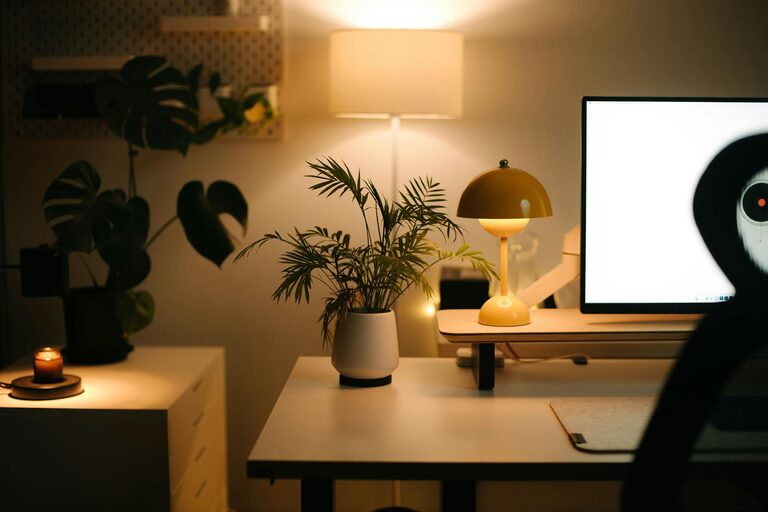
Creating a cozy and inviting home workspace is essential for anyone who spends significant time working from home. A comfortable environment can improve focus, reduce stress, and make your workday more enjoyable. Whether you have a dedicated room or just a small corner, there are plenty of ways to transform your space into a place where you want to spend time. In this post, we’ll explore practical tips to help you design a workspace that feels both welcoming and functional.
Choose the Right Location
Selecting a good spot for your workspace is the foundation of comfort. Ideally, choose a quiet area with minimal distractions. Natural light is a big plus, as it can uplift your mood and reduce eye strain. If possible, position your desk near a window to enjoy daylight and fresh air.
If space is tight, a well-defined corner or nook can work just as well. The key is to make this area distinct from the rest of your home life so your brain can switch into work mode.
Invest in Comfortable Furniture
Comfort is key when working long hours. A supportive chair with adjustable height and good lumbar support helps avoid back pain. Don’t forget a desk at a suitable height to keep your posture upright and relaxed.
If you like variety, consider a sit-stand desk. Changing positions throughout the day can reduce fatigue and improve circulation.
Use Warm and Soothing Colors
Color influences mood more than we often realize. Soft, warm tones like beige, light gray, or muted pastels can create a calm atmosphere. You might also add pops of your favorite colors through accessories—like a vibrant cushion or artwork—to personalize your space.
Avoid overly bright or harsh colors that can feel overwhelming or tiring after a long day.
Organize and Declutter
A tidy environment nurtures clear thinking. Use shelves, drawers, and organizers to keep your supplies neat and within reach. Labeling and grouping items by function can save time and reduce frustration.
Try to keep your desktop clear except for essentials. At the end of each day, take a few minutes to tidy your space—it helps mentally separate work from relaxation.
Add Personal Touches
Your workspace should reflect your style and personality. Personal items such as a favorite photo, a small plant, or inspirational quotes can enhance your mood and motivation.
Plants are especially beneficial; they not only add color but also improve air quality and create a sense of calm.
Optimize Lighting
Good lighting can prevent eye strain and improve focus. In addition to natural light, invest in a quality desk lamp with adjustable brightness and color temperature.
Warm white light promotes relaxation, while cooler light tones may help concentration. Consider using both options depending on the task or time of day.
Manage Noise and Distractions
If noise is an issue, noise-cancelling headphones or a white noise machine can help maintain focus. You might also add soft textures like rugs or curtains to absorb sound and soften the room’s acoustics.
Establish boundaries with family or roommates about your working hours to minimize interruptions.
Incorporate Ergonomic Accessories
Small tools can make a big difference. An ergonomic keyboard, mouse, and wrist rests help reduce strain. A monitor stand ensures your screen is at eye level, preventing neck pain.
Investing in these accessories can increase comfort and productivity over time.
Encourage Movement and Breaks
Designing your space to encourage movement is beneficial. Place your printer or trash bin a short walk away to encourage standing and moving.
Also, create a comfortable spot nearby for breaks—a cozy chair or cushion to relax for a few minutes can recharge your energy.
Keep Technology Simple and Efficient
Avoid cable clutter by using wireless devices and cable organizers. Ensure your internet connection is reliable and your computer setup meets your work needs.
Minimize distractions by keeping only essential apps and notifications active during work hours.
—
Creating a cozy and inviting home workspace takes intentional planning but offers great rewards in comfort and productivity. By focusing on lighting, furniture, organization, and personal touches, you can craft a space that supports your best work and well-being at home. Start small, experiment with what feels right, and enjoy your new, cozy workspace.