
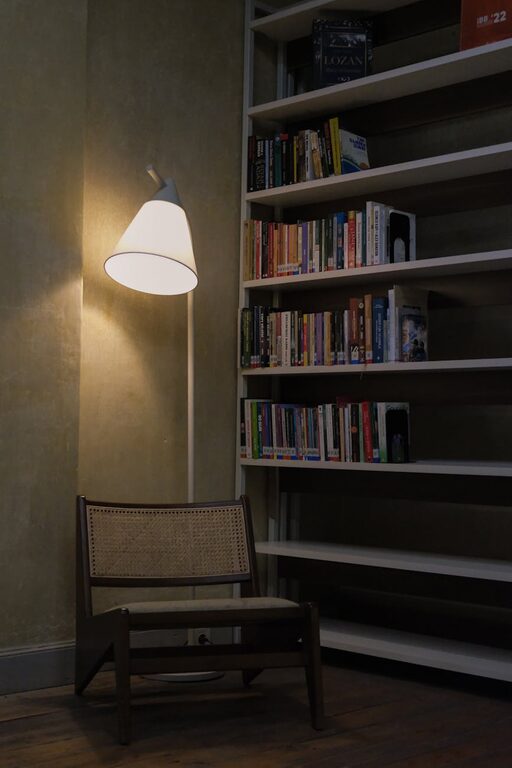
Creating a cozy reading nook in your home is a wonderful way to carve out a peaceful retreat where you can unwind with your favorite book. Whether you have a dedicated spare room or just a small corner in your living room, a reading nook can be made comfortable, functional, and inviting. Here are practical tips to help you design the perfect cozy reading nook in any room.
Choose the Right Spot
The first step in creating a reading nook is selecting the best location. Look for a quiet corner or an area with natural light, as this will enhance your reading experience.
– Natural Light: Position your nook near a window to take advantage of daylight, which reduces eye strain and creates a welcoming atmosphere.
– Privacy: Select a corner or space that can be a bit secluded from the main activity areas to minimize distractions.
– Space Consideration: Even a small corner or an unused alcove can work well; a nook doesn’t need to be large to be comfortable.
Select Comfortable Seating
Comfort is key when setting up a reading area. The right seat will invite you to linger longer with your book.
– Armchair or Lounge Chair: Choose a chair with good back support and soft cushions.
– Daybed or Window Seat: These options can combine seating with extra storage or a cosy spot to stretch out.
– Floor Cushions or Bean Bags: Great for informal, relaxed reading, especially in smaller spaces.
– Add Pillows and Throws: Layering cushions and a soft throw blanket enhances comfort and warmth.
Lighting Matters
Good lighting makes reading much easier and keeps your eyes comfortable.
– Natural Lighting: As mentioned, place your nook near windows if possible.
– Task Lighting: A floor lamp or table lamp with adjustable brightness can provide focused light for evening reading.
– Warm Light Bulbs: Opt for bulbs that emit warm light to create a calming and inviting environment.
– Multiple Light Sources: Combining overhead lights with lamps helps you adjust the ambiance depending on the time of day.
Incorporate Storage Solutions
Having books and reading materials nearby enhances convenience and encourages spending time in your nook.
– Bookshelves: Install wall-mounted shelves or add a small bookcase within arm’s reach.
– Stacked Books: Use stacks of your favorite books as makeshift side tables or decorative elements.
– Baskets and Bins: Store magazines, journals, or extra blankets in stylish baskets.
– Multi-purpose Furniture: Consider furniture with built-in storage like ottomans or benches.
Personalize the Space
Inject your personality into the nook to make it uniquely yours.
– Decorative Elements: Add artwork, plants, or framed quotes that inspire reading.
– Color Scheme: Use calming colors like soft blues, greens, or warm neutrals to promote relaxation.
– Rugs and Curtains: Soft rugs add warmth and texture; curtains can control natural light and create a cozy enclosure.
– Scent: Consider adding a candle or diffuser with a subtle scent that helps you relax.
Keep Functionality in Mind
While aesthetics are important, a functional space ensures your nook serves its purpose well.
– Side Table: Place a small table nearby for a cup of tea, reading glasses, or a notebook.
– Charging Station: Keep a power outlet or charging station nearby if you use e-readers or tablets.
– Footrest: A small ottoman or footrest can add extra comfort.
– Noise Control: Use heavy curtains, rugs, or even a white noise machine to reduce distractions if needed.
Make Your Nook Adaptable
Your needs and moods change, so design a nook that can evolve with you.
– Modular Furniture: Furniture that can be moved or rearranged keeps the nook fresh.
– Seasonal Decor: Swap pillows or throws according to the season to update the look.
– Multiple Uses: Incorporate a lap desk or a small writing area if you like journaling or note-taking.
Example Reading Nook Setups
Here are a few ideas to inspire your setup:
– Small Corner Nook: A comfy armchair, a corner bookshelf, a floor lamp, and a soft rug.
– Window Seat: Cushioned bench with storage underneath, a side table, and sheer curtains.
– Bedroom Nook: A plush chair in a quiet bedroom corner with a small side table and a reading lamp.
– Living Room Integrated Nook: A cozy chair arranged with a throw and pillows beside a sofa and a shared light source.
Final Thoughts
You don’t need a lot of space or an elaborate setup to have a cozy reading nook. A bit of planning, attention to comfort, lighting, and storage can transform any room corner into a serene reading retreat. Start small, experiment with what feels comfortable, and enjoy creating your personal sanctuary where stories come alive.
Happy reading!